
IBREA
BRIEF INTERVENTION AND ADDICTIONS RESEARCH GROUP
Applied research on health interventions and addictive behaviors
WHO ARE WE?
IBREA is a research group at Miguel Hernández University of Elche, integrated into the Brief Intervention and Addictive Behaviors Unit (UCAB) of the Center for Applied Psychology. IBREA’s main objective is to generate and transfer high-quality scientific knowledge to improve the assessment and intervention of addictions and other risk behaviors.
Research Areas
Addictions
Study of addictive behaviors and their associated factors.
Brief Interventions
Development and evaluation of evidence-based brief and preventive interventions.
Assessment
Improvement of assessment procedures and tools in health and addictions.
Risk Behaviors
Analysis of risk and protective factors and their consequences.
Health and Physical Activity
Research on physical activity, health, and well-being.
Early Detection
Assessment tools and predictive models for early identification.
Team

Dr. José Luis Carballo Crespo
Full Professor
Miguel Hernández University of Elche
IBREA Coordinator
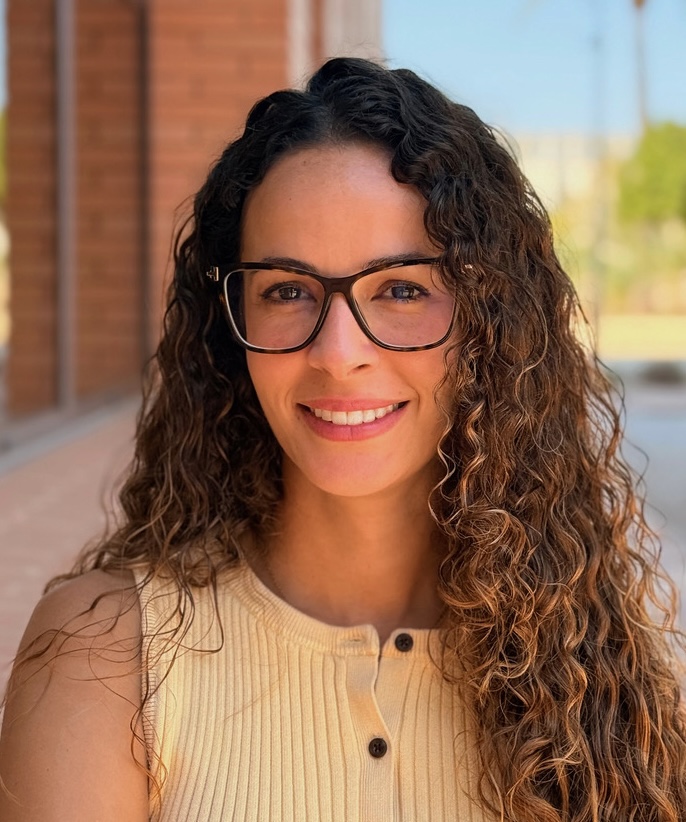
Dra. Ainhoa Coloma Carmona
Associate Professor
Miguel Hernández University of Elche
IBREA Researcher

Dra. Antonia Pelegrín Muñoz
Associate Professor
Miguel Hernández University of Elche
IBREA Researcher


Featured Projects
Analysis of Active Components in an Online Brief Intervention to Promote Change in Young Adults With Problematic Gambling and Investment Behaviors
General Directorate for the Regulation of Gambling
Readiness to Change and Treatment Seeking in Problem Gamblers and Investors: An Experimental Study in Young Adults
General Directorate for the Regulation of Gambling
PREVENALC: Prevention of Alcohol abuse in Educational Settings
Spanish State Research Agency
Our Objectives
Intervene
Develop and adapt intervention programs to reduce addictive behaviors and promote healthier lifestyles.
Evaluate
Assess the efficacy, effectiveness, and efficiency of interventions for prevention and recovery.
Measure
Develop reliable assessment tools supported by evidence of validity.
Train
Train professionals in the assessment and intervention of addictive behaviors and other risk behaviors.
Predict
Develop predictive models for early identification and prevention of more severe problems.